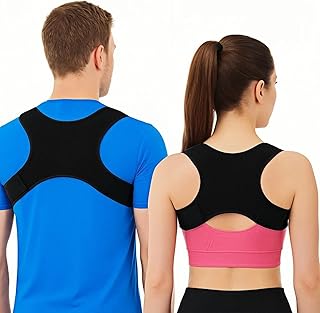
In today's digital age, where hours are spent hunched over screens, poor posture has become a widespread issue leading to back pain, neck strain, and a hunched appearance. A Posture Corrector can be a powerful tool in combating these problems. These devices are designed to gently pull your shoulders back, align your spine, and train your muscles to maintain a healthier position. This guide will explore the benefits of using a posture brace and help you navigate the options to find the perfect support for your body.
Why Consider a Posture Corrector?
Chronic slouching doesn't just affect how you look; it has real health consequences. It can lead to persistent upper and lower back pain, tension headaches, reduced lung capacity, and even digestive issues. A quality back brace or corrector works by providing external support and biofeedback. It reminds your body what proper alignment feels like, helping to retrain muscle memory over time. Many users report significant pain relief from conditions like kyphosis (hunchback) and general discomfort associated with sedentary lifestyles.
Key Features to Look For
When shopping for a posture aid, several features are crucial for comfort and effectiveness. Adjustability is paramount. Devices like the HLOES Posture Corrector and the KNXWALT Posture Corrector offer adjustable straps, allowing for a customized fit that provides the right amount of support without being restrictive. This is essential for effective hunchback correction.
Breathability and Material are also key. Look for braces made with lightweight, breathable mesh, such as the Upgraded Breathable Full Back Support model. This ensures you can wear it for extended periods, even under clothes, without discomfort. For those concerned with discretion, options like the Fit Geno Posture Corrector Invisilite are designed to be an invisible posture aid under clothing.
Different Types for Different Needs
Posture correctors come in various designs targeting specific areas. Upper Back Braces focus on pulling the shoulders back and opening the chest, ideal for desk workers. The Vaunn® Back Correction Belt is a popular example that provides neck pain relief and shoulder support.
Full Back Supports offer more comprehensive stabilization, extending to the lumbar region. The Kepwaa Posture Corrector is a full back brace that provides support for both the upper and lower back, and it's even FSA/HSA eligible. For those with specific spinal conditions, braces that offer scoliosis support and thoracic support, like some models explicitly designed for these issues, can be beneficial.
How to Choose and Use Effectively
Choosing the right corrector involves considering your primary issue (e.g., slouching, hunchback, general pain), your body size, and desired wear time. It's wise to start with shorter periods (30-60 minutes) and gradually increase as your muscles adapt. Always follow the manufacturer's fitting instructions to ensure it's snug but not cutting off circulation. For a deeper dive into usage, our Posture Corrector Guide on Benefits and Usage offers detailed advice.
Remember, a posture corrector is a training aid, not a permanent crutch. The ultimate goal is to strengthen your core and back muscles so you can maintain good posture independently. Pairing the use of a brace with targeted exercises and stretches will yield the best long-term results for posture improvement.
Whether you opt for a simple shoulder straightener like the WNIEYO Back Brace or a more comprehensive system, taking the step to address your posture can lead to reduced pain, increased energy, and greater confidence. Explore reviews, such as our Ultimate Guide to Posture Correctors, to make an informed decision on your journey to a healthier back.
